

Property Management
Owning From Abroad: Protecting a South Florida Investment You Do Not Live In
By Flavia Arruda Salinas · June 12, 2026
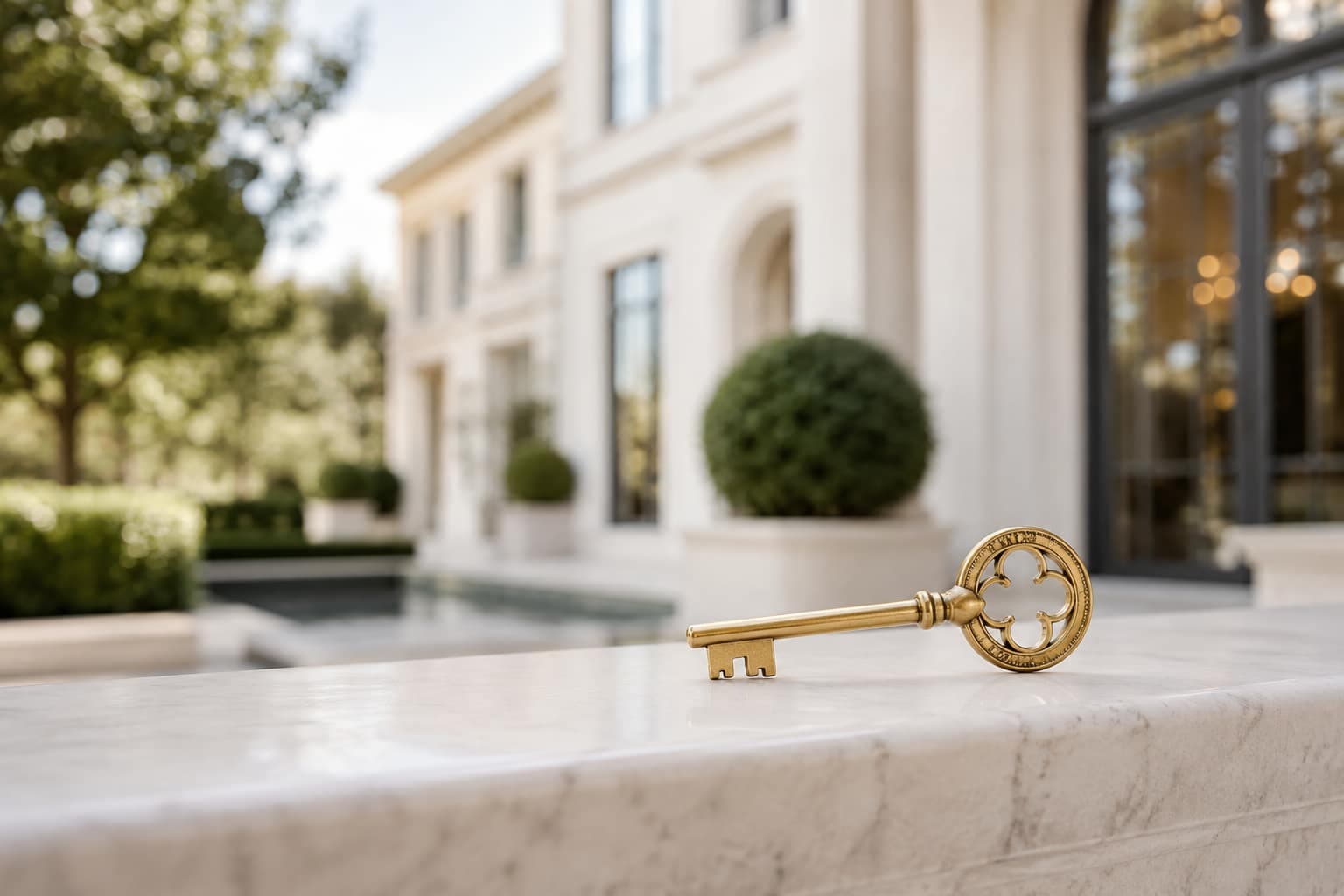
Buying a South Florida property is a transaction with a clear date. Owning one from another country is a relationship that continues every month afterward, often without the owner ever in the room. The distance is not the risk. The absence of structure is. When ownership, oversight and recordkeeping are built deliberately at the start, an asset you rarely visit can be as well protected as one across the street.
The Vehicle You Buy Through Decides How Quietly You Sleep
How title is held shapes everything that follows: liability exposure, tax treatment, how heirs inherit, and how cleanly the property can later be sold or exchanged. Many international owners hold through an entity rather than in their personal name, but the right vehicle depends on your country of residence, your tax situation and your goals. This is not a decision to copy from another buyer.
Before closing, sit down with a real estate attorney and a CPA who understand cross-border ownership. Decide the structure first, then fund it correctly, so the name on title and the name on the funding account agree from day one. Reorganizing ownership after the fact is slower, costlier, and occasionally impossible without consequences.
Management Is Value Preservation, Not Rent Collection
The phrase "property management" undersells what a distant owner actually needs. Collecting rent is the easy part. The work that protects the asset is quieter: vetting tenants, responding to a leak at two in the morning, scheduling the maintenance that prevents the next emergency, and keeping the property leasable in a competitive market.
A manager who only forwards the rent is a convenience. A manager who protects the asset between rent payments is the investment.
Choose your manager as carefully as you chose the property. Ask how they handle vacancies, vendor selection, and emergencies, and ask how, and how often, they report back to you.
In a Coastal Climate, Maintenance Is Cheaper Than Repair
South Florida's salt air, humidity and storm season are patient adversaries. They do not announce themselves; they accumulate. An owner who lives nearby notices the early signs: a stain, a smell, a door that no longer closes squarely. An owner abroad relies entirely on someone being paid to notice.
Insist on a preventive schedule rather than a reactive one. The categories worth tracking from a distance include:
- Roof, exterior sealant and water intrusion points after storm season
- HVAC servicing, given the load humidity places on systems
- Plumbing and any signs of moisture before they become remediation
Preventive attention is rarely the most expensive line in a year. Deferred attention almost always becomes one.
Insurance and Association Rules Are Where Owners Get Surprised
Coverage in this market deserves real scrutiny: what is insured, what is excluded, and whether the policy reflects the property as it stands today. Review it annually rather than letting it renew on autopilot, and confirm your manager knows exactly what to do, and whom to call, if a claim ever arises.
If the property sits within an association or condominium, compliance is not optional. Assessments, rules and required approvals all carry consequences when missed, and a distant owner cannot afford to learn the rules during a dispute. Build a simple system so notices reach you, and someone you trust, in time to act.
Clean Records Are the Asset Behind the Asset
The discipline that feels tedious in calm years becomes decisive the moment you act. A refinance, a 1031 exchange, or a sale will all ask the property to prove itself on paper: income, expenses, compliance, title, structure. Owners with organized records move quickly and negotiate from strength. Owners reconstructing years of history under deadline pressure rarely do.
Keep statements, leases, insurance, association documents and tax filings in one orderly place, current throughout the year. The cost is a little attention monthly. The return is options, exactly when you need them.
Building Ownership That Travels With You
A property you do not live beside is not harder to own. It is simply differently owned. The work simply moves from your daily presence to the structure, the people and the records you put in place before you ever needed them. Build that foundation deliberately, with an attorney and a CPA who understand your situation, and the distance stops being a vulnerability. It becomes a detail. When you are ready to plan how your South Florida holding should be structured and overseen, that conversation is the right place to begin.
This article is general education, not legal, tax, or financial advice. Work with your own real estate attorney and CPA to structure any purchase around your specific circumstances.