

For Sellers
The Seller's Edge: Inspecting Before You List in a Luxury Market
By Flavia Arruda Salinas · May 7, 2026
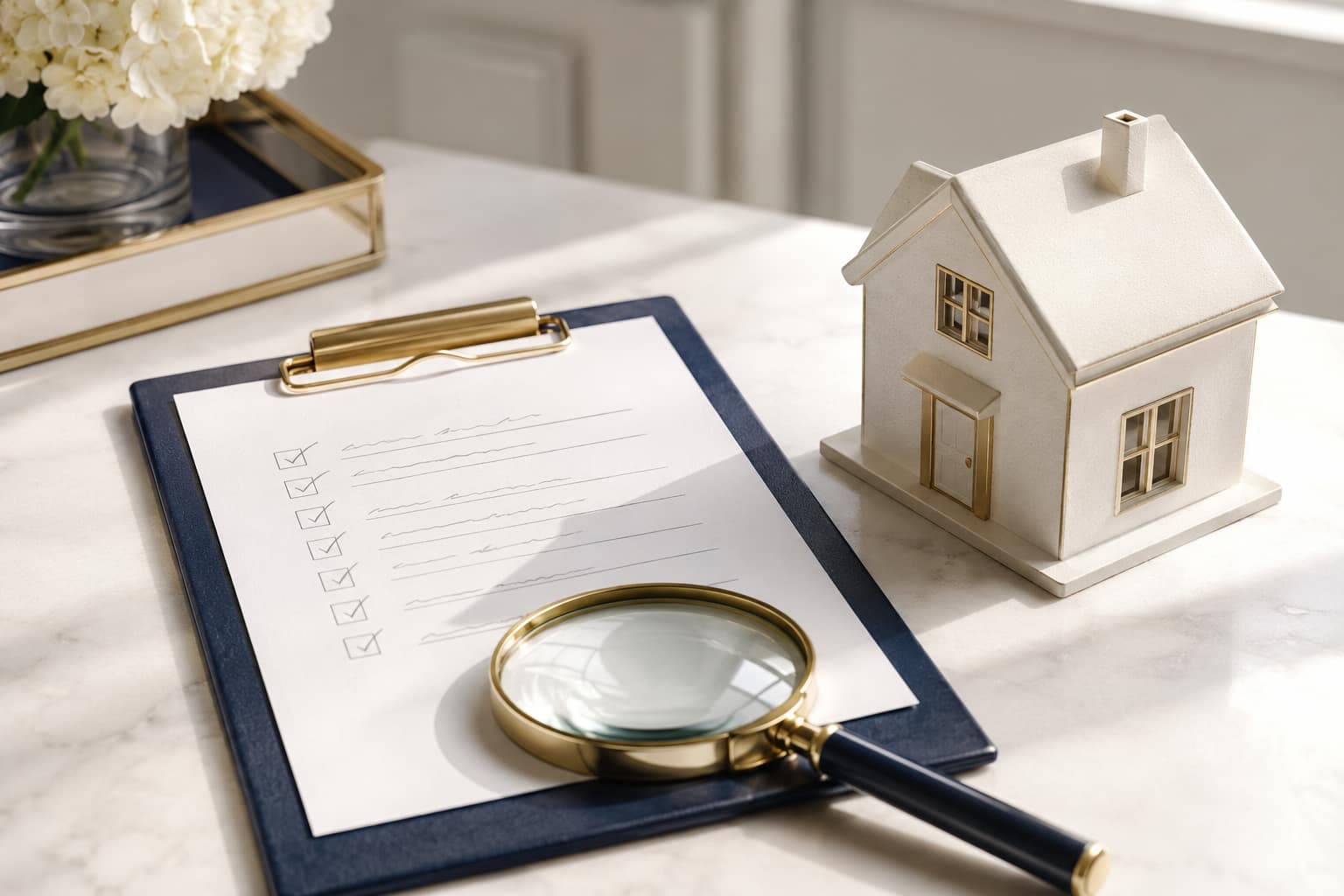
In a luxury transaction, the question is rarely whether a property has imperfections. Every home does. The real question is who discovers them first, and on whose schedule. When the buyer's inspector finds something after the contract is signed, that discovery arrives inside a contingency window, and a window is leverage. A pre-listing inspection moves that moment forward, onto your calendar, where information becomes preparation instead of pressure.
Who Sets the Clock Owns the Conversation
Florida Realtors' residential contract forms address buyer inspections, but the rights and deadlines depend on the form and the signed terms. Under the Florida Realtors/Florida Bar 'AS IS' form, a buyer may cancel during the agreed inspection period if dissatisfied with the property. When a finding surfaces inside that window, whether a tired air-handler, moisture behind a baseboard, or a roof nearing the end of its service life, the seller must respond within the applicable contract terms. Commissioning your own inspection first does not eliminate findings. It can make preparation easier.
When you already hold the report, a buyer's "discovery" is no longer news. You can address it, document it, or price it deliberately, long before anyone is staring at a countdown.
Coastal Properties Ask Harder Questions
Waterfront and coastal properties may have components that call for specialized review. A pre-listing inspection can look beyond cosmetics to elements that may affect negotiations:
- Roof and envelope: age, condition, and how they read against insurance expectations
- HVAC and specialty systems: multi-zone climate control, smart-home infrastructure, generators
- Moisture and air quality: intrusion points, humidity management, finishes that mask history
- Waterfront elements: seawall condition, dock and lift structures, drainage near the shoreline
- Pool and water features: equipment, surfaces, and the systems behind them
Each of these is a place where a buyer's inspector can pause a deal. Knowing the answers in advance lets you decide which items to resolve and which to disclose with confidence.
Repair, Document, or Disclose, Deliberately
Not every finding deserves a contractor. The value of inspecting early is the freedom to choose. Some items are worth repairing cleanly before photos are taken. Others are better left in place and disclosed with documentation, such as a recent service record, a permit history, or a specialist's letter, so the buyer inherits clarity rather than suspicion.
A documented issue is a known quantity. An undocumented one is an open question, and open questions get priced conservatively by the other side.
This is also where ownership records matter. Permit history that matches the work performed, and improvements that were properly closed out, remove a recurring source of friction during the buyer's due diligence.
Pricing With Evidence, Not Optimism
A pre-listing inspection lets you price the home you actually have rather than the one you hope to defend. When condition is understood up front, your list price can reflect it deliberately, and you avoid the most damaging pattern in any sale: a strong opening, an accepted offer, and then a mid-contract retreat when the buyer's inspection reframes the conversation. Costs and outcomes vary by property and contract; an early inspection gives the seller more time to compare options.
What This Looks Like Before You Go to Market
Begin the inspection conversation early, well before listing photos, ideally while there is still time to act on what surfaces. Keep your documentation organized: reports, service records, and permit history in one place. For questions touching disclosure obligations or how findings should be represented, work with a real estate attorney; for anything affecting your tax position, work with a CPA. The goal is not a flawless home. It is a prepared seller, one who meets the buyer's inspection period holding answers instead of bracing for questions.
Source
- Florida Realtors, guidance on residential contracts and inspection periods. Contract language and individual terms should be reviewed with a Florida real estate attorney.